
6 Reasons You Should Never Skip Your Dental Check-Up
Everything You Need to Know About the Dental Implant Procedure
Missing teeth can affect more than just your appearance—they can also impact your speech, chewing ability, and overall oral health. Thankfully, modern dentistry offers a long-term solution: dental implants. If you’re considering tooth replacement, understanding the dental implant procedure is essential before you begin.
In this comprehensive guide, we’ll walk you through every stage of the dental implant procedure, discuss who it’s right for, the benefits, risks, and what to expect during recovery.
What Is the Dental Implant Procedure?
The dental implant procedure is a surgical technique used to replace missing teeth with artificial ones that look and function like natural teeth. The procedure involves placing a titanium post (the implant) into the jawbone, which acts as an artificial tooth root. Once it integrates with the bone (a process called osseointegration), a dental crown is attached on top to complete the restoration.
Dental implants are considered the gold standard in tooth replacement due to their durability, natural appearance, and ability to preserve bone health.
Who is a Good Candidate for the Dental Implant Procedure?
The dental implant procedure is suitable for most adults who are in good general and oral health. Ideal candidates typically:
- Have one or more missing teeth
- Have healthy gums and sufficient jawbone
- Are non-smokers or willing to quit smoking
- Are free from uncontrolled chronic conditions such as diabetes
- Are committed to maintaining good oral hygiene and regular dental visits
If you lack adequate bone density, your dentist may recommend a bone graft before proceeding with the implant.
Step-by-Step Breakdown of the Dental Implant Procedure
The dental implant procedure typically takes place over several months and may include multiple steps, depending on the complexity of your case.
- Initial Consultation and Treatment Planning
Your dentist will perform a comprehensive oral exam, take X-rays or a 3D CT scan, and review your medical history. A customized treatment plan will be created, addressing how many implants you need and whether additional procedures (like bone grafting) are necessary.
- Tooth Extraction (if necessary)
If the damaged tooth is still present, it will be extracted. In some cases, the implant can be placed immediately after extraction.
- Bone Grafting (if needed)
If your jawbone is too soft or thin, bone grafting may be required to create a stable base for the implant. Healing time after grafting may take several weeks to months.
- Implant Placement Surgery
During this stage:
- The area is numbed with local anesthesia.
- A small incision is made in the gum to expose the bone.
- The implant is surgically inserted into the jawbone.
- The gum is stitched closed over the implant.
After placement, healing and osseointegration begin, which can take 3 to 6 months.
- Abutment Placement
Once the implant has fused with the jawbone, a small connector called an abutment is attached to the implant. This part will hold the crown in place.
This is usually a minor outpatient procedure performed under local anesthesia.
- Crown Placement
After the gums heal around the abutment (typically in a few weeks), a custom-made crown is fabricated and placed on top of the abutment. The crown is designed to match the color, shape, and size of your natural teeth.
Types of Dental Implants
There are different types of implants and techniques, including:
- Endosteal Implants
- Most commonly used
- Placed directly into the jawbone
- Usually screw-shaped
- Subperiosteal Implants
- Placed under the gum but above the jawbone
- Suitable for patients with insufficient bone
- All-on-4 Implants
- Ideal for patients missing all teeth in one arch
- Uses four implants to support a full denture
Your dentist will recommend the best option based on your oral health and bone structure.
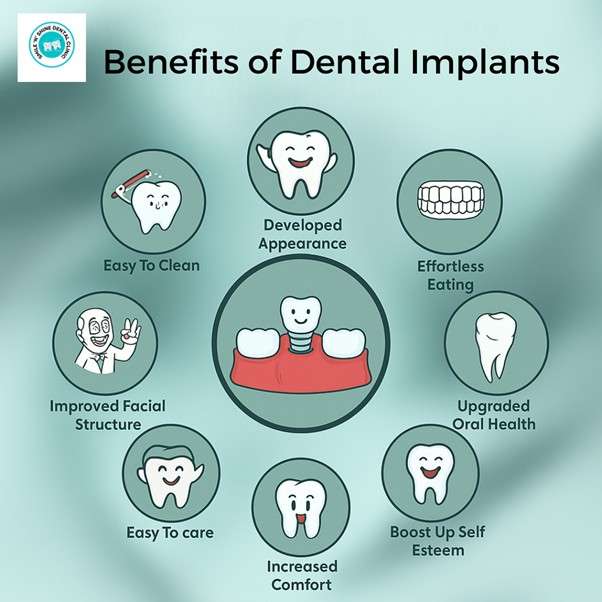
Benefits of the Dental Implant Procedure
Dental implants offer several advantages over traditional dentures or bridges:
✔ Natural Look and Feel
Implants mimic the structure of natural teeth, providing a seamless appearance and comfortable function.
✔ Improved Chewing and Speaking
Since implants are securely fixed, you can eat and speak without worrying about slippage.
✔ Durability
With proper care, dental implants can last 15 years or more—often a lifetime.
✔ Bone Preservation
Unlike bridges and dentures, implants stimulate the jawbone, preventing bone loss.
✔ No Impact on Neighboring Teeth
Unlike dental bridges, implants do not require grinding down adjacent teeth for support.
Risks and Potential Complications
While the dental implant procedure is highly successful (with a success rate of over 95%), it’s not entirely risk-free. Possible complications include:
- Infection at the implant site
- Injury to surrounding teeth or nerves
- Implant failure due to poor bone integration
- Sinus issues (if implants are placed in the upper jaw)
Choosing an experienced implant dentist and following aftercare instructions can significantly reduce these risks.
Recovery and Aftercare
Recovery from the dental implant procedure varies based on the complexity of the treatment. Most patients experience minor swelling, bruising, and discomfort for a few days after each stage, which can be managed with over-the-counter medications.
To ensure proper healing and long-term success:
- Follow your dentist’s post-operative instructions
- Eat soft foods during the healing period
- Practice good oral hygiene (brushing and flossing daily)
- Avoid smoking and alcohol
- Attend regular dental check-ups
Final Thoughts
The dental implant procedure is a reliable, long-lasting solution for replacing missing teeth. It restores your smile, improves your oral function, and enhances your confidence. While the process requires time and a financial investment, the long-term benefits often outweigh the costs.
If you’re considering implants, consult SmileNShine dental clinic, a qualified dental implant specialist to determine if you’re a good candidate. With the right care and expertise, you can enjoy a beautiful, functional smile for years to come.